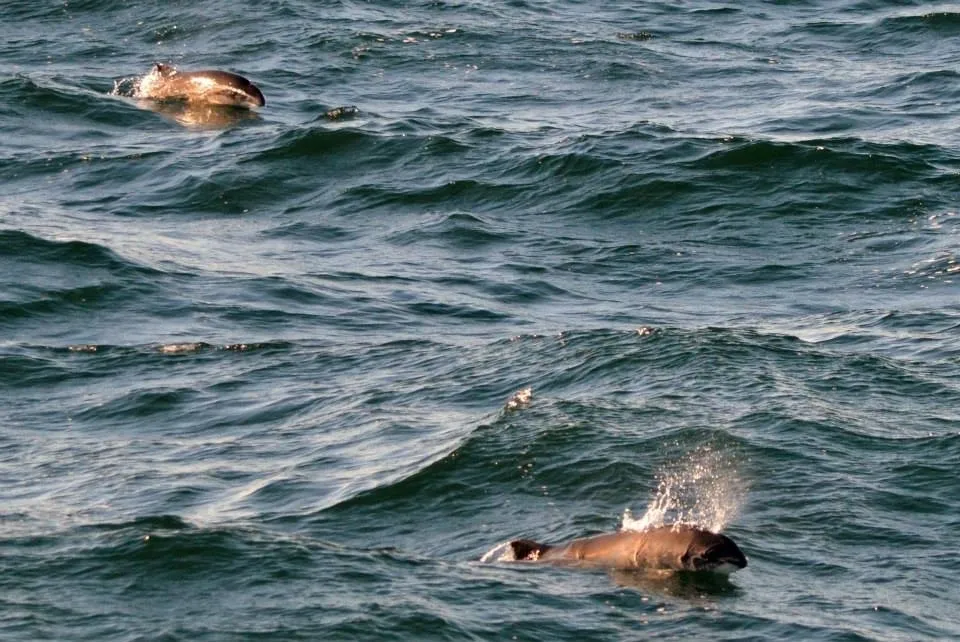
Harbor Porpoises: The Shy Ocean Friends
What did the dolphin say when he made a mistake? “Hey I didn’t do it on PORPOISE!”
All jokes aside, what is the difference between a dolphin and a porpoise? Last week we learned about Atlantic white-sided dolphins and the characteristics that make them a part of the Delphinidae family. Porpoises and dolphins, while both belonging to the cetacean order, have several key differences:
- Physical Appearance: Porpoises are generally smaller and have a more robust body shape. They also have a rounded snout, while dolphins have a longer, more pronounced beak.
- Teeth: Porpoises have spade-shaped teeth, whereas dolphins have conical teeth, which are better suited for grasping fish.
- Dorsal Fin: The dorsal fin of a porpoise is typically triangular and shorter, while dolphins usually have a taller, curved fin.
- Social Behavior: Dolphins are more social and often found in larger groups, known as pods. Porpoises tend to be more solitary or found in smaller groups.
- Vocalization: Dolphins are known for their complex vocalizations and are often seen breaching and performing acrobatics. Porpoises make quieter, more subtle sounds.
- Habitat: While both can inhabit coastal waters, many dolphins are more likely to be found in deeper oceanic waters, while porpoises prefer shallower, coastal environments.

These distinctions contribute to the unique behaviors and adaptations of each species within their respective ecosystems.
There are seven recognized species of porpoises, each with unique characteristics and habitats. Among them, harbor porpoises (Phocoena phocoena) are fascinating marine mammals that inhabit coastal waters around the world. They typically reach lengths of about 5 to 6 feet and have a sleek, streamlined body, which helps them swim quickly through the ocean. Their coloration is usually a mix of gray and brown with lighter patches, providing effective camouflage against the rocky seafloor and waves. This adaptation helps them evade predators and allows them to blend in while hunting for food.
Harbor porpoises are known for their shy and elusive behavior. Unlike some other marine animals that are curious about boats and people, harbor porpoises tend to avoid close encounters. They often swim away quickly when they sense humans nearby, making them a bit harder to spot in the wild. This cautious nature helps them stay safe from predators and disturbances in their environment.
In terms of behavior, harbor porpoises are usually found in small groups called pods, which typically consist of just a few individuals. They communicate using a series of clicks and whistles, which can also aid in their echolocation abilities. This echolocation allows them to navigate and hunt effectively in murky waters by sending out sound waves and listening for the echoes that return. When they do come up for air, they might only show a small portion of their back above the surface, further contributing to their shy reputation.
When it comes to diet, harbor porpoises feed on schooling fish, such as herring, mackerel, and sand lance. They use their sharp teeth to catch and hold onto slippery fish, and their hunting techniques are often efficient and precise. By preying on these fish, harbor porpoises play an important role in maintaining the balance of marine ecosystems. Understanding their behavior and diet helps scientists and conservationists protect these shy creatures and ensure their continued survival in our oceans.
Although the Whalemobile Team encounters harbor porpoises during whale watches in the Gulf of Maine, their shy and elusive behavior makes them challenging to photograph and study. They often prefer to keep their distance, swimming away quickly or diving when boats approach. However, spotting them is a good sign, indicating a healthy marine ecosystem and a thriving environment for these fascinating mammals. Their presence suggests that the waters are rich in food and provide a suitable habitat for both porpoises and other marine life!
If you’d like to learn more about harbor porpoises, check out Dr. Cindy Elliser who is the founder and research director at Pacific Mammal Research. Dr. Elliser studies harbor porpoises in the Salish Sea.
Check out our Video about harbor porpoises HERE.
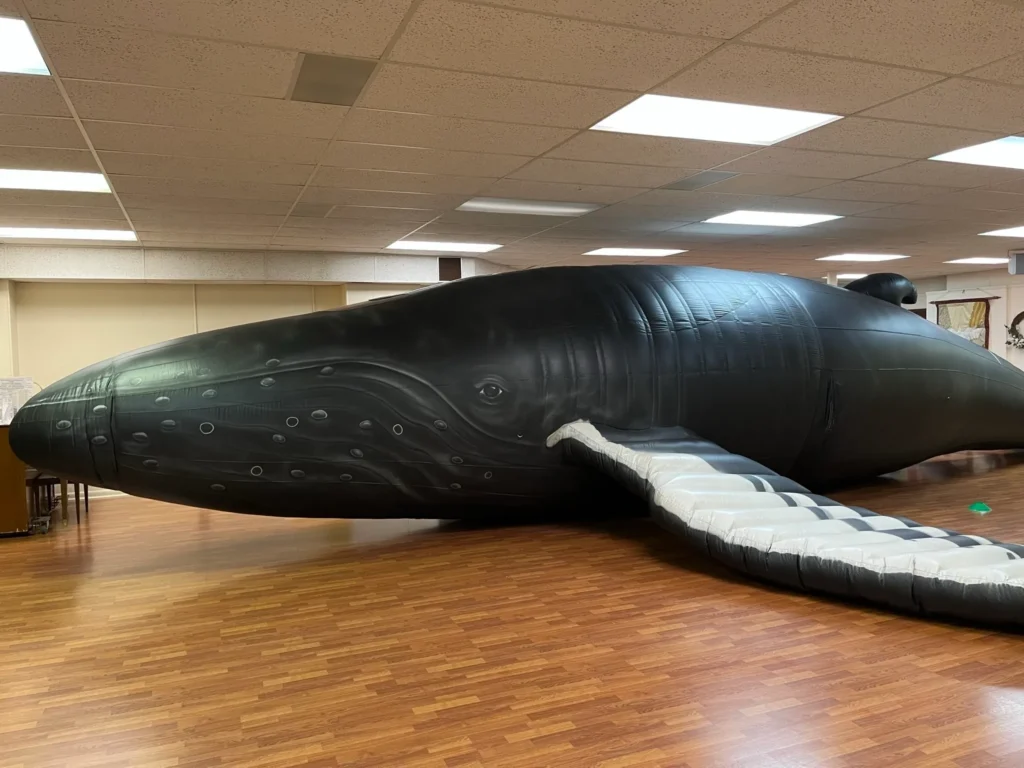
At The Whalemobile, we believe people protect what they understand—so we bring ocean science to life through stories, hands-on learning, and by bringing a life-sized whale in schools and libraries. To learn more about our programs, visit our website at www.thewhalemobile.com.