The Whalemobile

Site Header

Where Literacy, Science and Wonder Meet

SEE IT IN ACTION

What Is The Whalemobile?

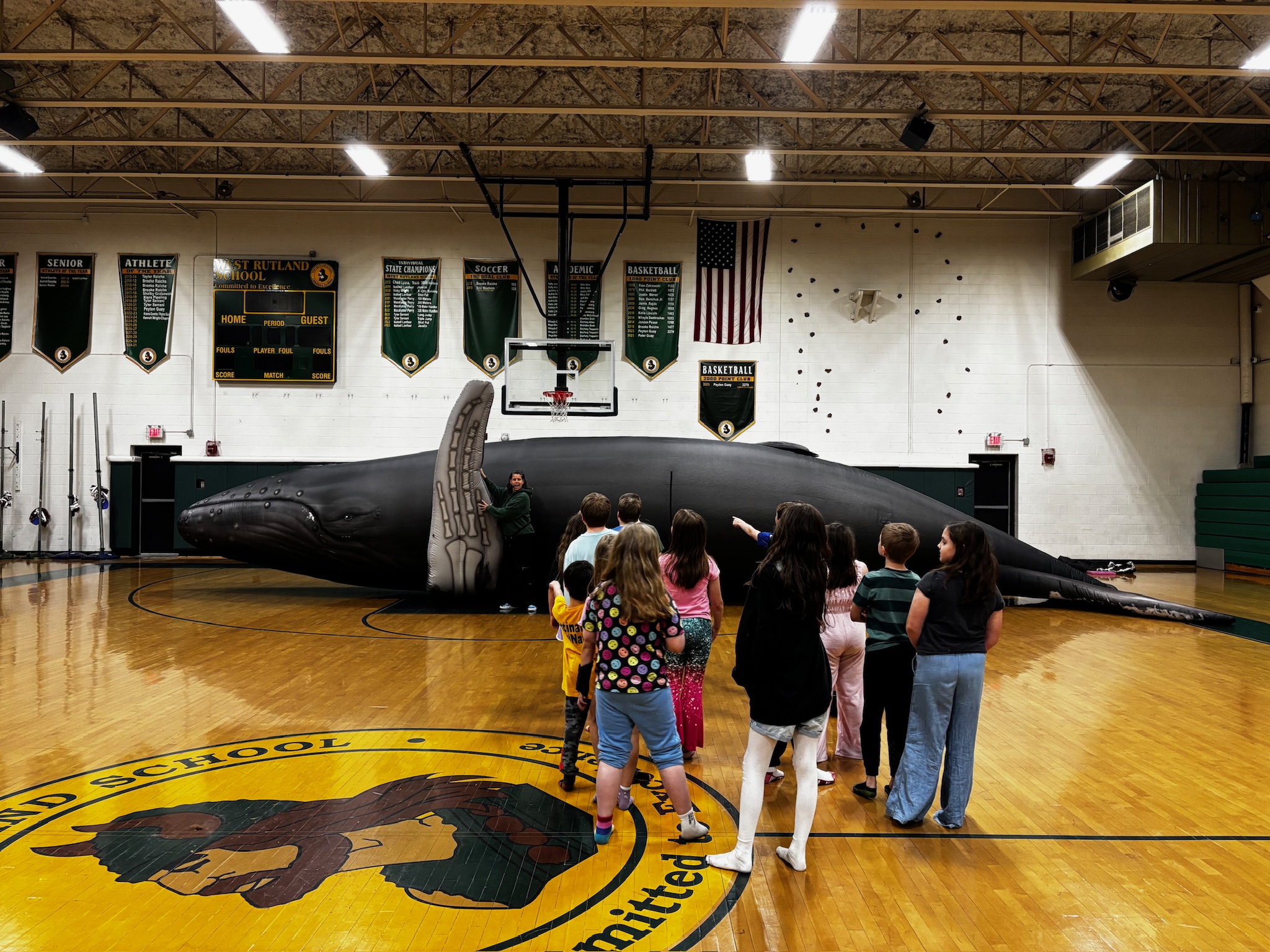
Step inside a life-sized inflatable humpback whale, where curiosity sparks questions, conversation, and discovery. The Whalemobile brings science and storytelling together through an unforgettable experience that students will remember long after the visit.

Explore Our Programs
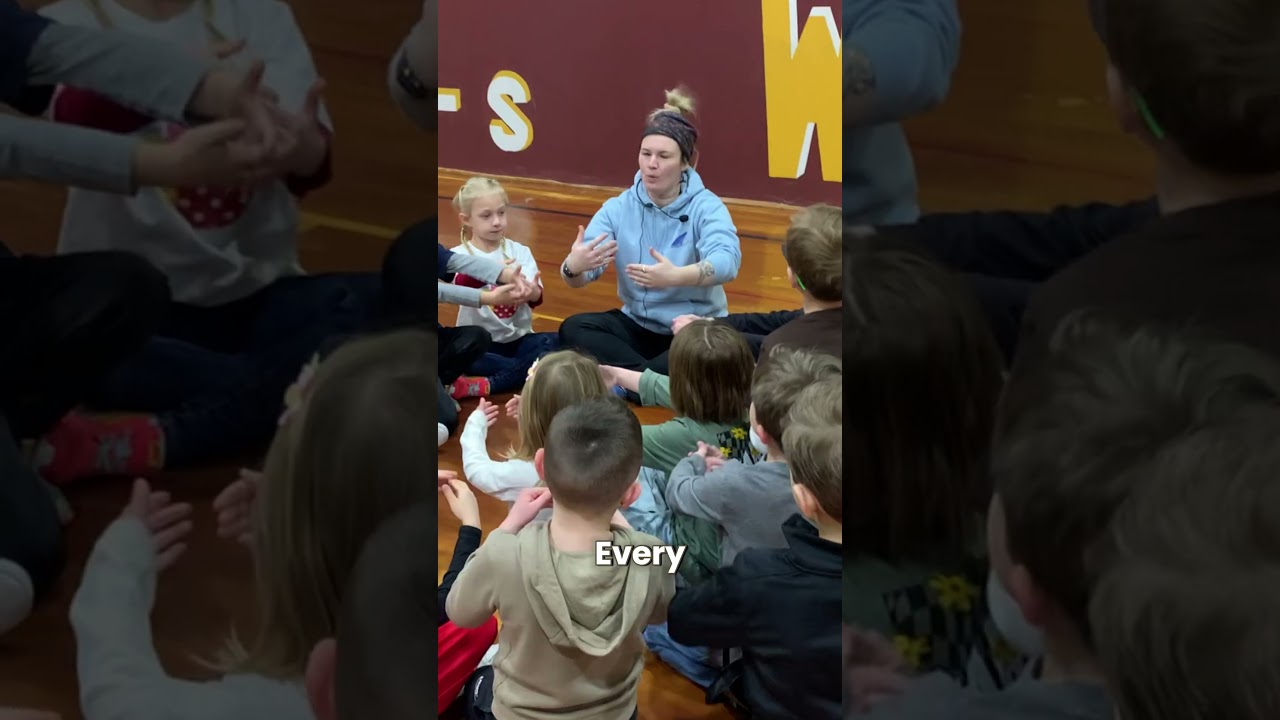
See The Whalemobile in action
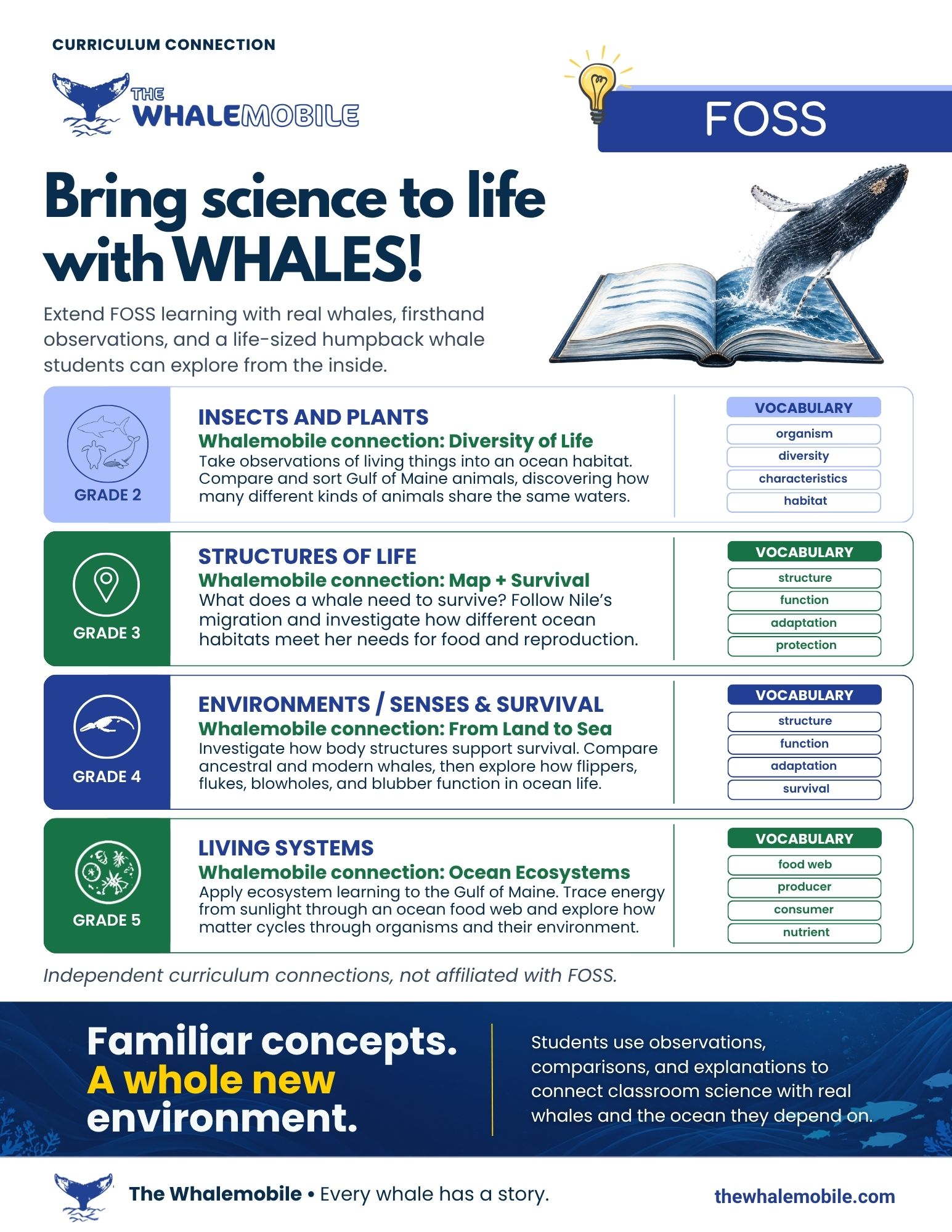
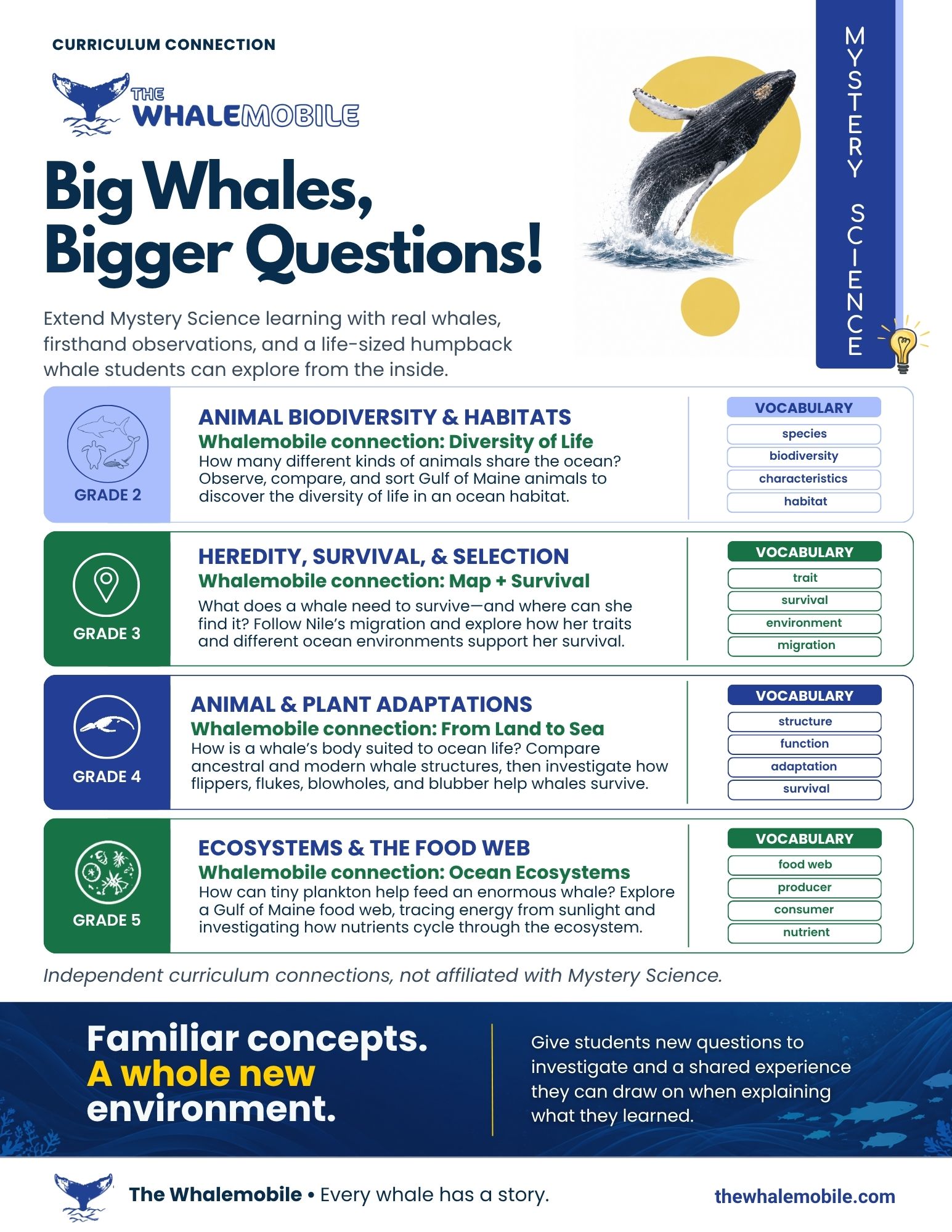
CURRICULUM CONNECTIONS

Bringing Classroom Learning to Life

Classroom Connections
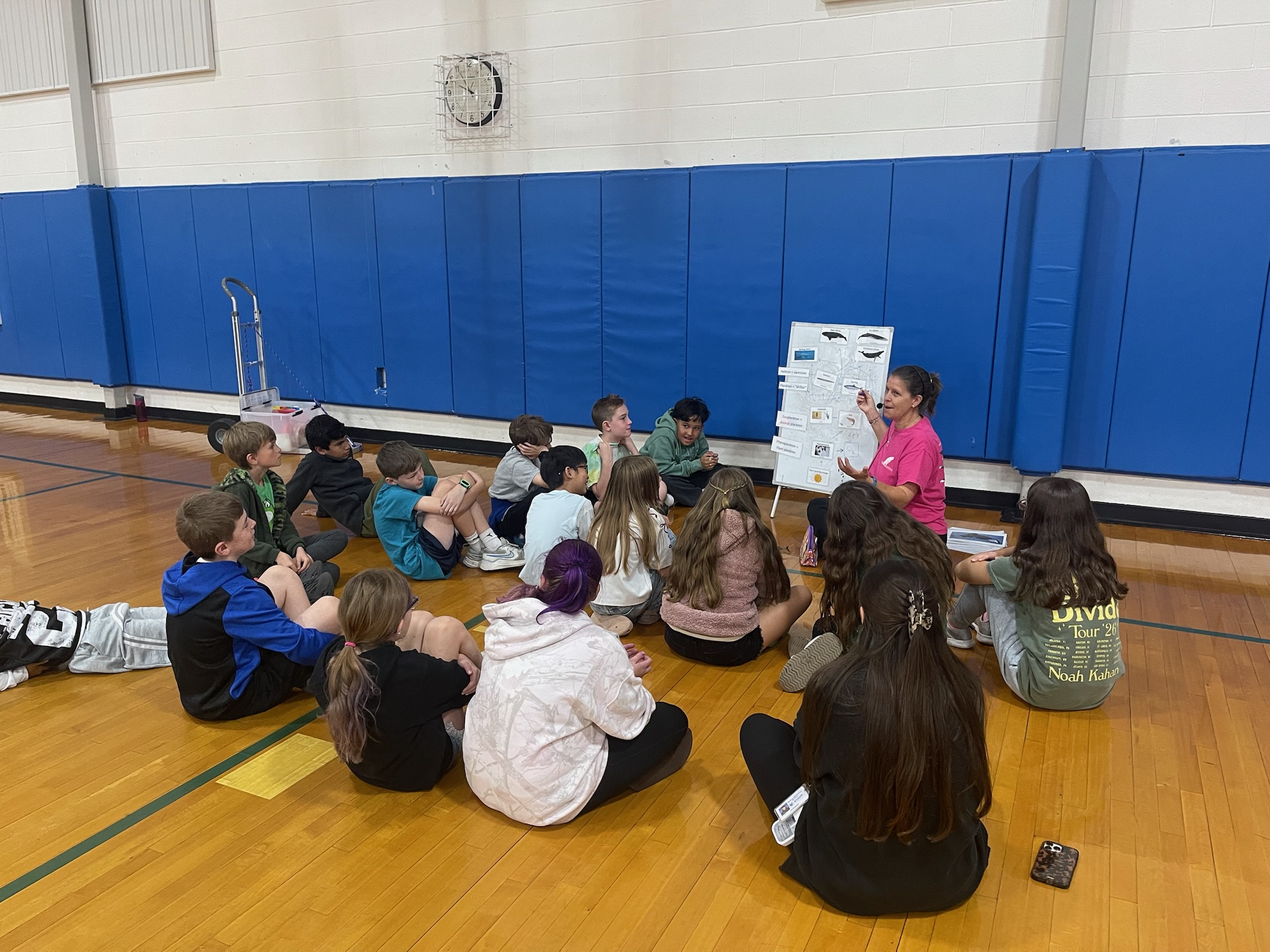
Educator leading a hands-on lesson

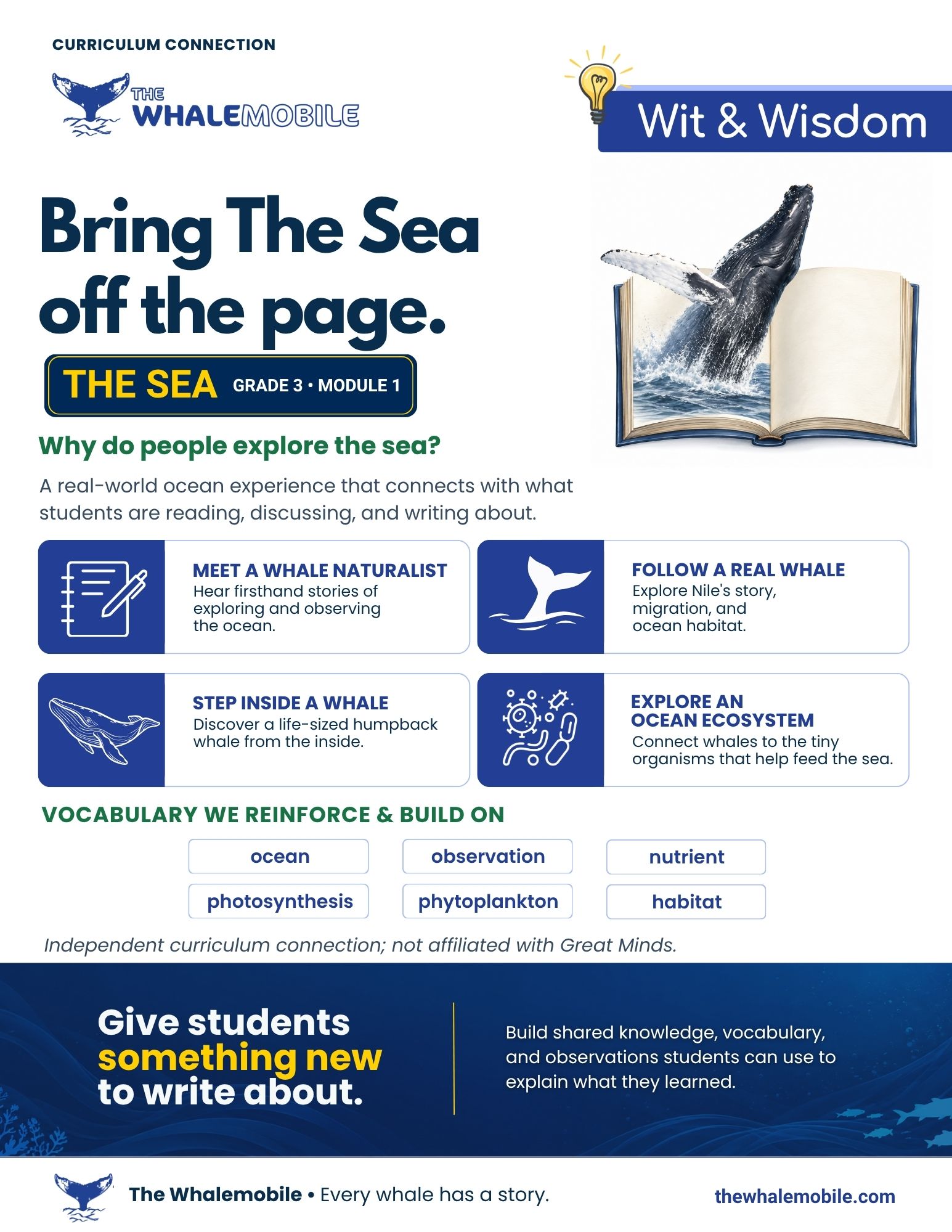
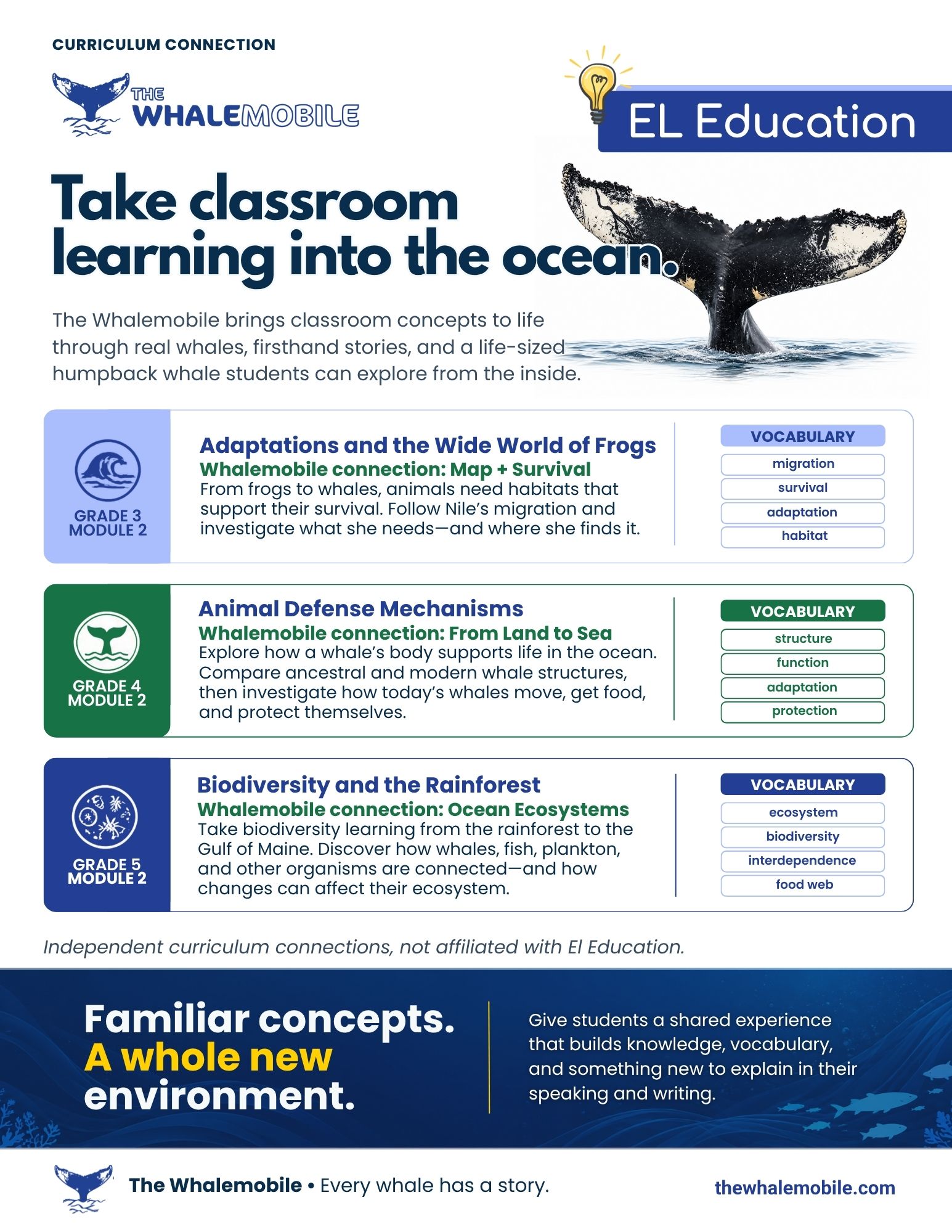
The Whalemobile connects hands-on whale science with topics students are already exploring in the classroom. Select a curriculum below to see examples of how our program supports learning in science and literacy.

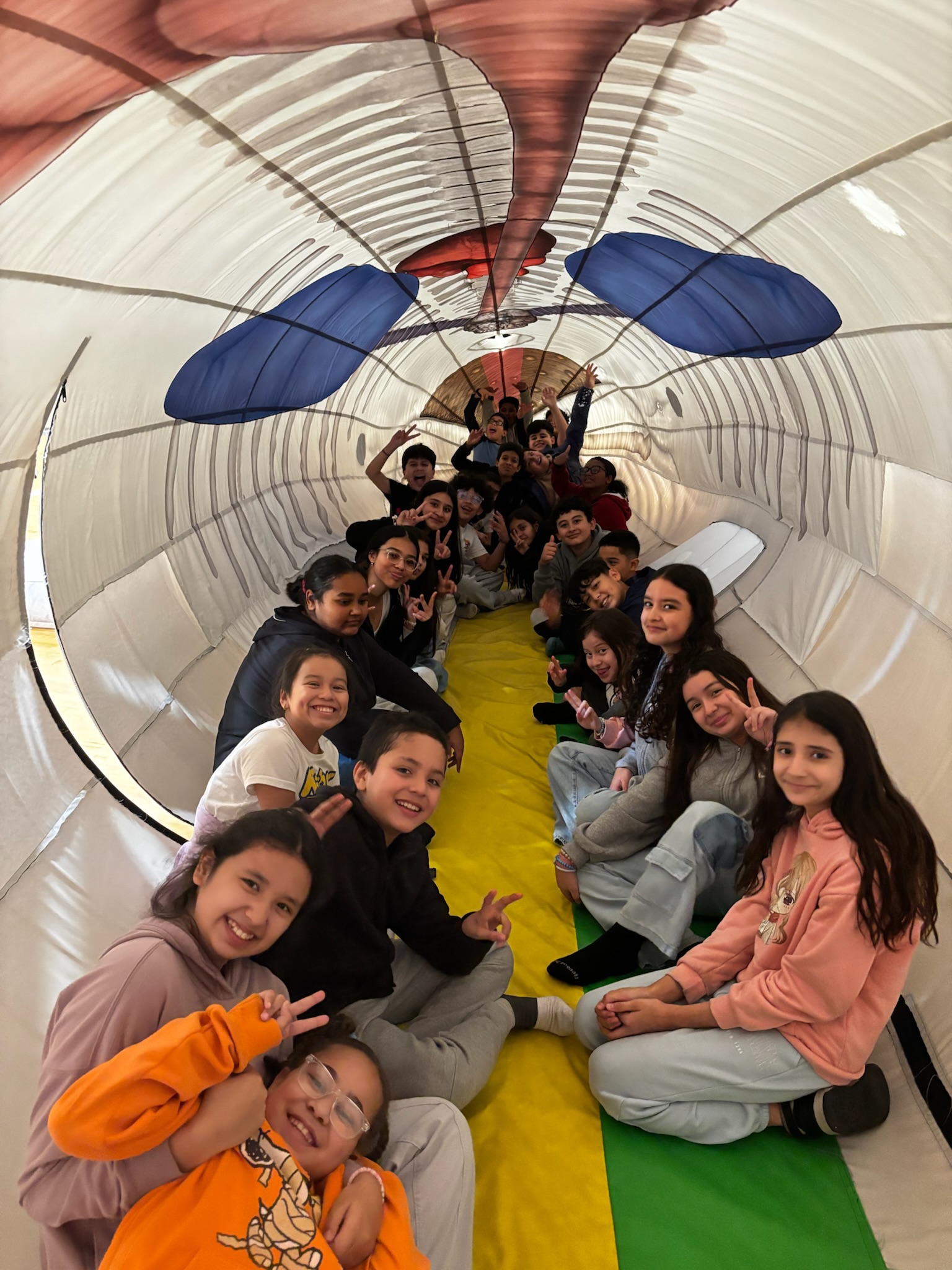
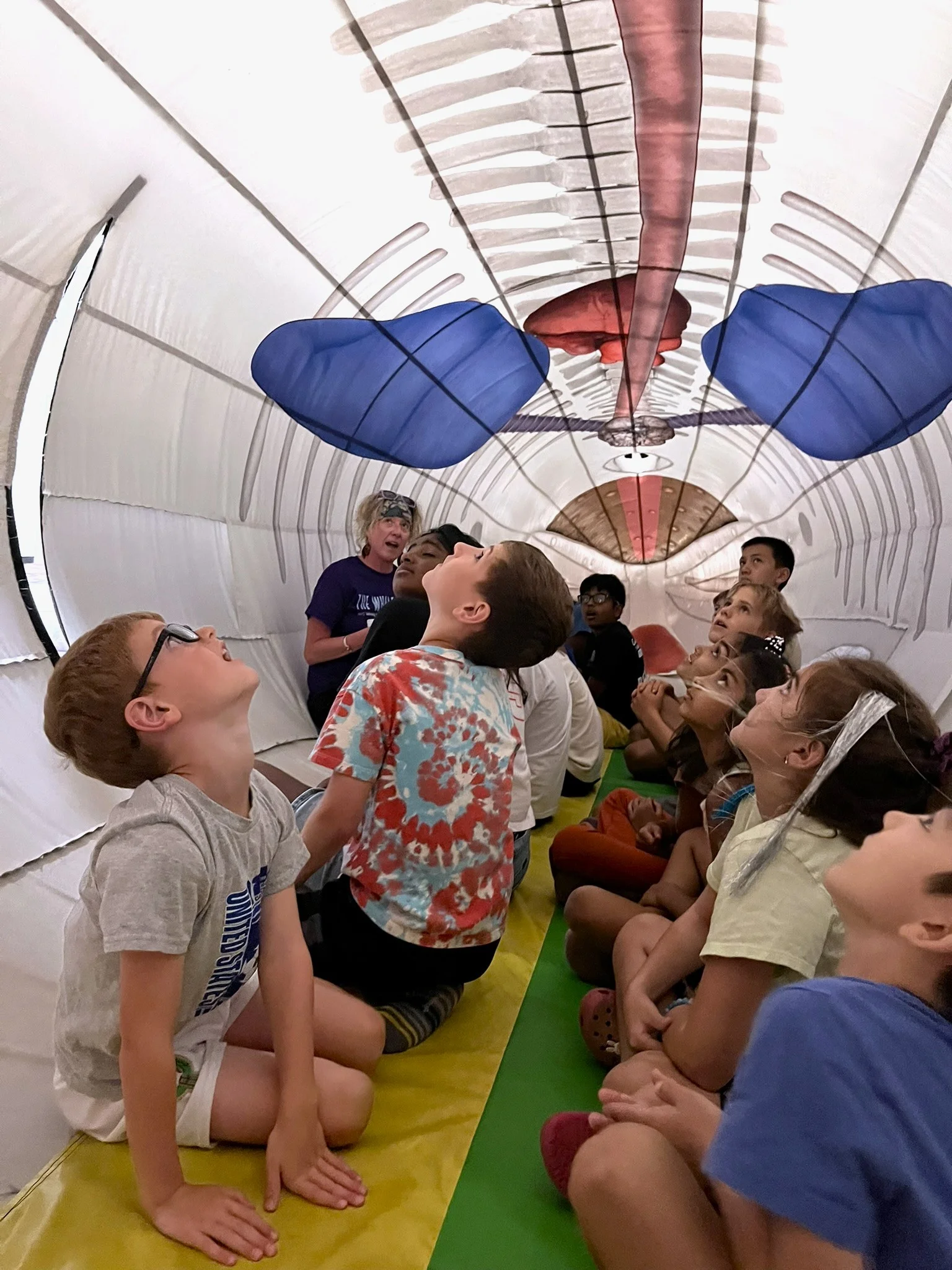
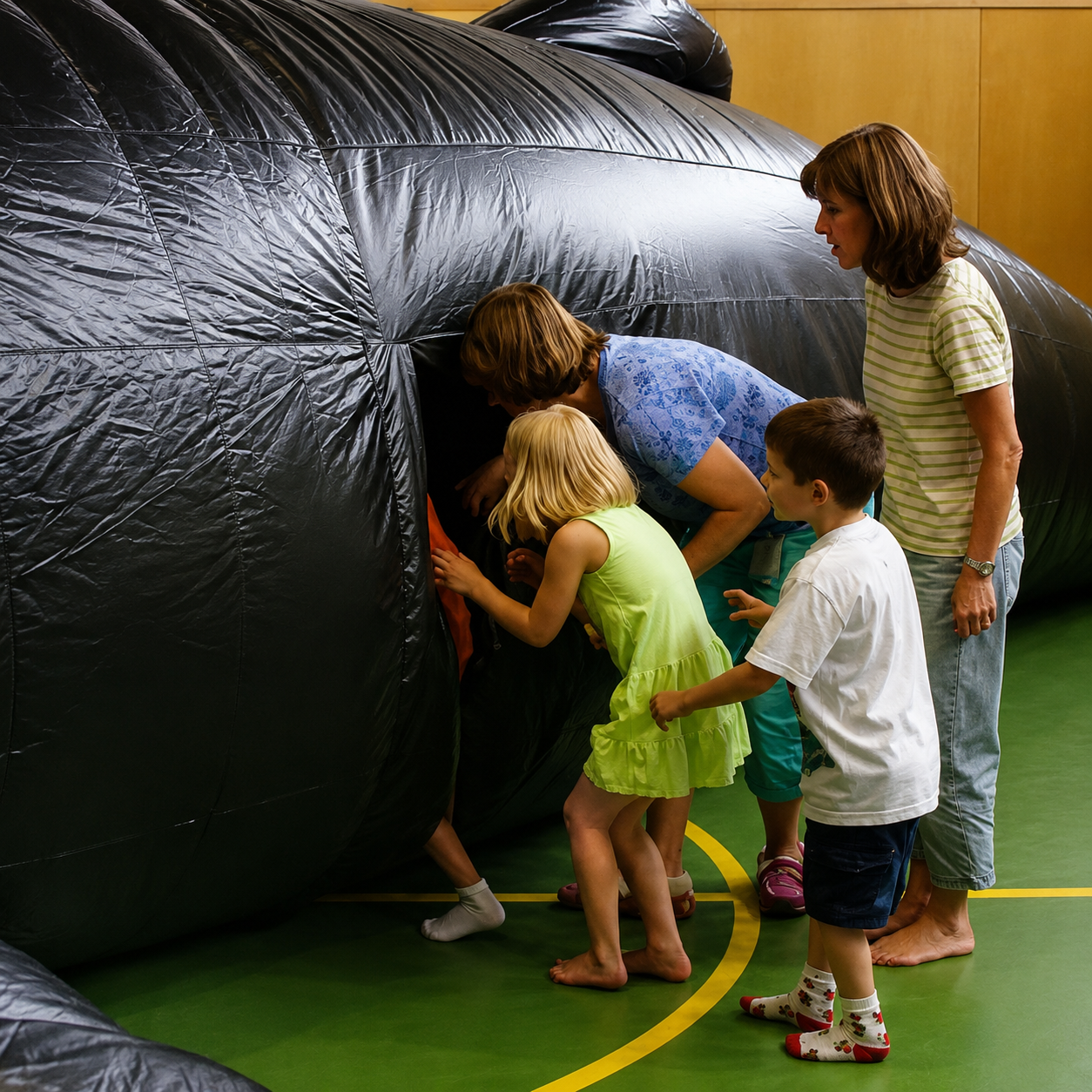
Students exploring inside Nile, The Whalemobile's inflatable humpback whale
EVERY CLASS GOES INSIDE

Step Inside the Whale!

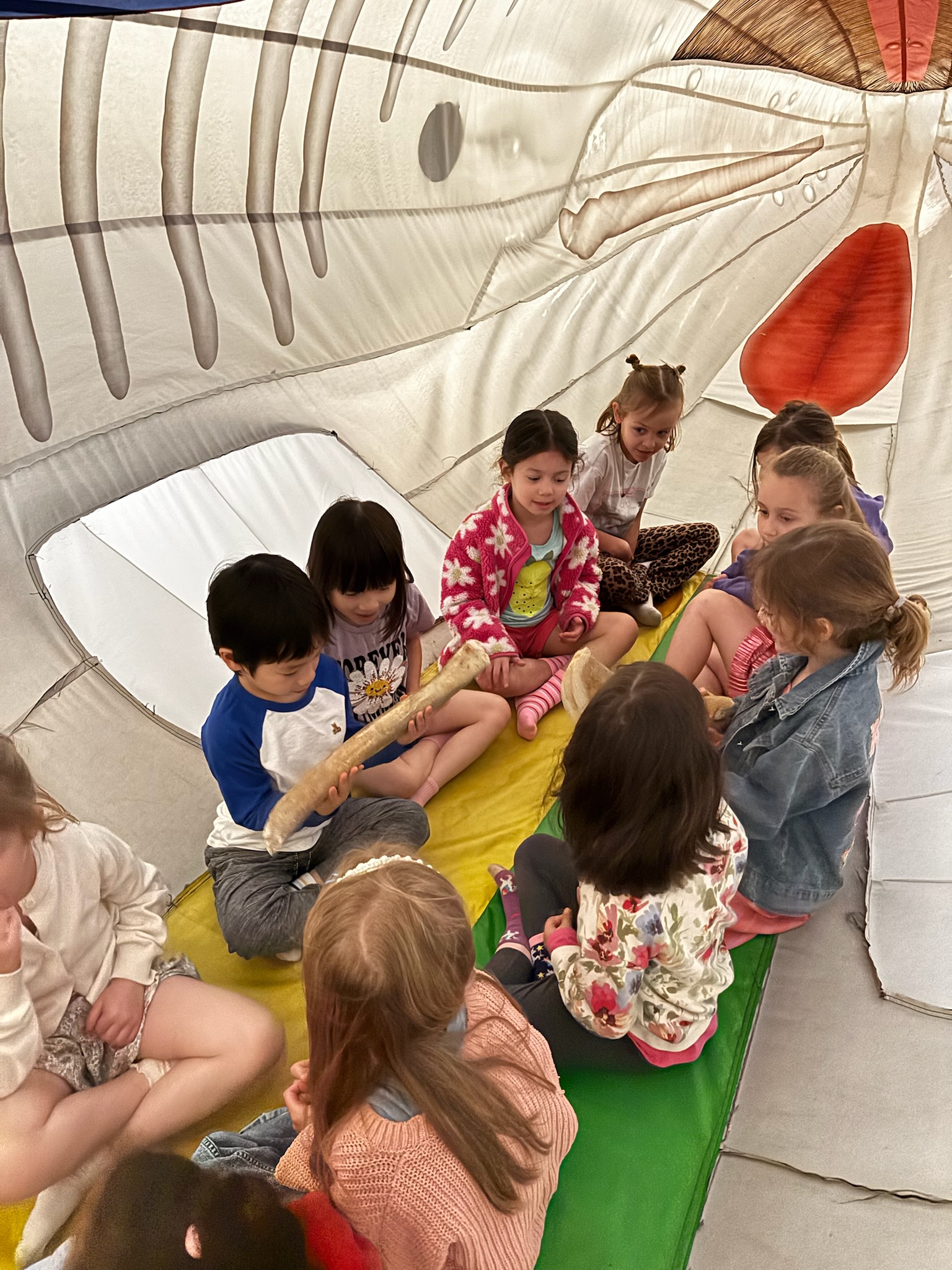
Every class begins with 20 minutes inside Nile, our life-sized inflatable humpback whale! Through questions, demonstrations, and real whale artifacts, students explore whale anatomy, adaptations, and the important role whales play in ocean ecosystems.

Our educators tailor the conversation to each grade level, making every visit engaging, interactive, and age-appropriate. Then students head outside the whale for hands-on science activities connected to their classroom learning.

20 Minutes Inside Nile 20 Minutes of Grade-Level Science
Outside the Whale: Grade Specific Activities

Outside the Whale: Grade Specific Activities

After their time inside Nile, students take part in a hands-on activity designed for their grade level and connected directly to NGSS science standards.

K & 1st
K & 1st Grade

Do It, Do It

Students get to become whales! Through this active game, students eat, move, breathe, and communicate like whales while exploring what these animals need to survive. Depending on the group, our educators may also follow students’ curiosity into migration, communication, or whale social behavior.

K-LS1-1Use observations to describe patterns of what plants and animals (including humans) need to survive.
2nd
2nd Grade

Diversity of Life

How can animals look so different but live in the same habitat? Using models such as squid, whales, sharks, and sea turtles, students observe and compare how different ocean animals move, eat, and breathe. They discover how animals with very different body structures can share the same habitat.

2-LS4-1 Make observations of plants and animals to compare the diversity of life in different habitats.
3rd
3rd Grade

Survival 101

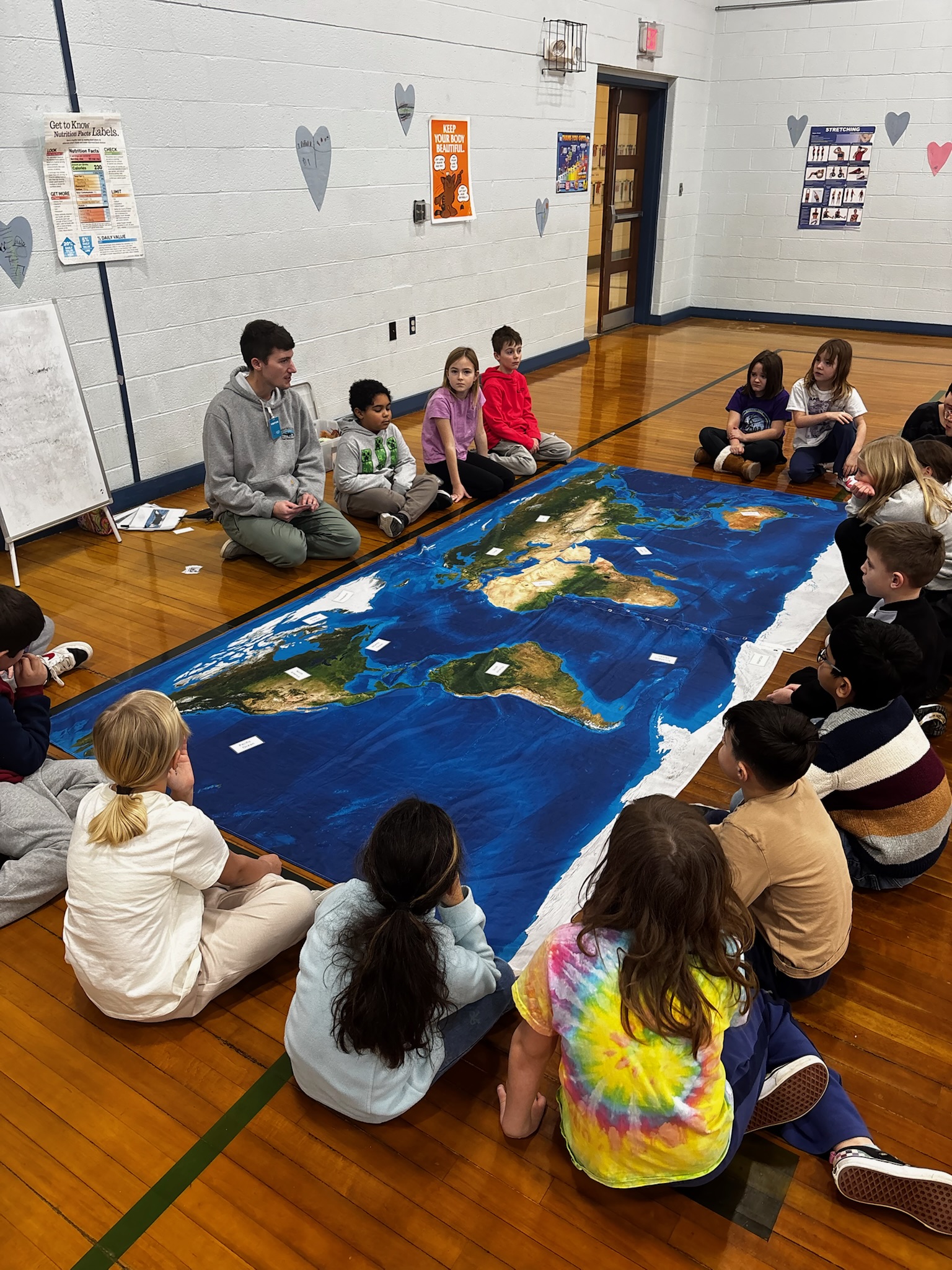
What does an animal need to survive? Using maps and animal models, students explore ocean habitats and discover how marine animals meet their needs for food, water, oxygen, shelter, and space. Along the way, they compare the different strategies animals use to survive and thrive in their environments.

3-LS2-1Construct an argument that some animals form groups that help members survive.
4th
4th Grade

Two Ways to Explore Whale Science

Choose one of two hands-on investigations!

Option 1: Whale Adaptations Through Time

How have whales changed over millions of years? Students examine models of ancient whale ancestors and modern whales, comparing body structures to discover how whales have changed over time and become adapted to life in the ocean.

Option 2: What a Fluke!

Every whale has a story—and its tail can help tell it! Students investigate photographs of real humpback whale flukes, using unique markings, scars, and other clues to identify individual whales and uncover stories about their lives.

4-LS1-1 Construct an argument that plants and animals have internal and external structures that function to support survival, growth, behavior, and reproduction.
5th
5th Grade

Ecosystems

What connects the sun, plankton, fish—and whale poop? Students build an ocean food web to trace how energy moves through the Gulf of Maine ecosystem. Along the way, they explore where plankton live, how nutrients move through the system, and how changes to one part of the food web can affect whales and the entire marine ecosystem.

5-PS3-1Use models to describe that energy in animals' food (used for body repair, growth, and motion and to maintain body warmth) was once energy from the sun. Click here to see what happens.
NCTE / IRA ENGLISH LANGUAGE ARTS STANDARDS

Where Science Meets Literacy

The Whalemobile creates meaningful opportunities for students to ask questions, share ideas, build vocabulary, and communicate their discoveries. Our interactive, inquiry-based programs support important English Language Arts skills while bringing science to life.

STANDARD 4

Communication & Expression

Students use spoken language and scientific vocabulary to ask questions, explain observations, and communicate their growing understanding of whales and ocean ecosystems.

STANDARD 7

Research & Inquiry

Students develop questions, examine real whale artifacts and photographs, and use evidence to make connections. Classroom follow-up activities can extend these discoveries into research and informational writing.

STANDARD 11

Collaborative Learning

Students participate in shared discussions, listen to different perspectives, and build understanding together through guided questions and collaborative exploration.

STANDARD 12

Purposeful Language

Students use language to learn, share discoveries, and consider how people can protect ocean habitats. Follow-up activities can inspire persuasive writing, reflection, and student-led action.

More than a science experience. The Whalemobile gives students something meaningful to talk about, investigate, read about, and write about.

Connections to the NCTE/IRA Standards for the English Language Arts (1996). View the official standards

From Blubber to Benchmarks: Our NGSS Match
NGSS Connections

From Blubber to Benchmarks: Our NGSS Match

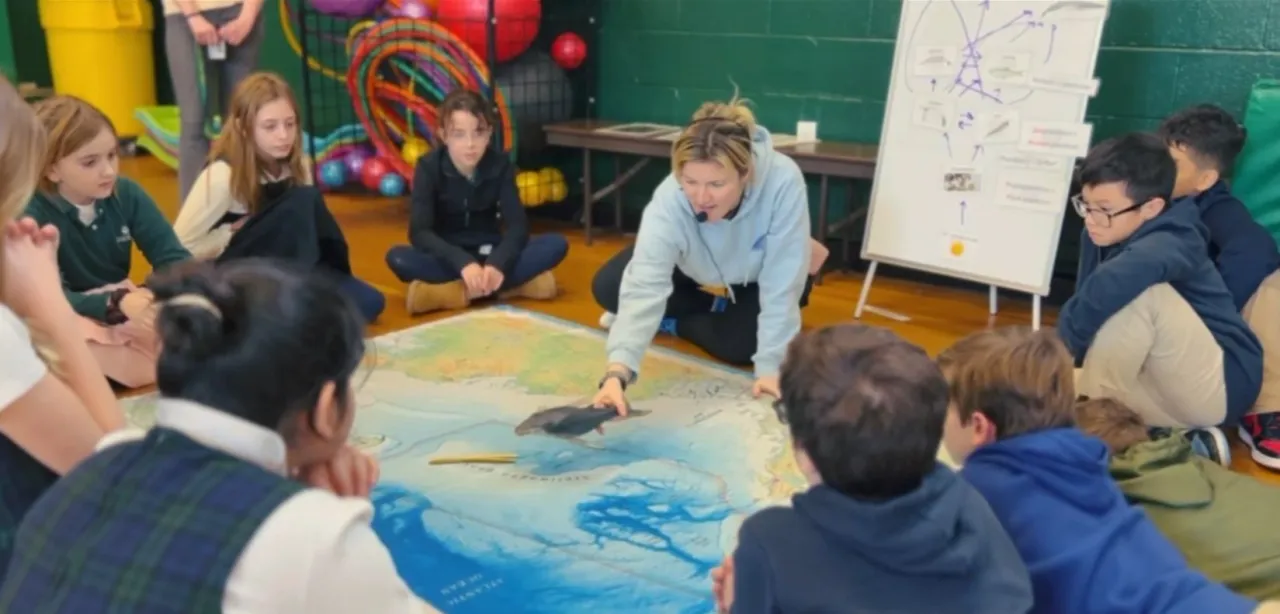
Cynde teaching students around a whale migration map inside the Whale Mobile NGSS Aligned
Cynde leading a hands-on lesson with students

While we may not cover every benchmark in every program, we're happy to tailor our focus to specific standards if you let us know in advance. We follow a thoughtful teaching plan—but if students show a strong interest in a particular topic, we're always willing to follow their curiosity and dive deeper!

K Kindergarten
K-LS1-1

Use observations to describe patterns of what plants and animals (including humans) need to survive.

K-ESS3-1

Use a model to represent the relationship between the needs of different plants and animals and the places they live.

K-ESS3-3

Communicate solutions that will reduce the impact of humans on the land, water, air, and/or other living things.

1 1st Grade
1-LS1-1

Use materials to design a solution to a human problem by mimicking how plants and/or animals use their external parts to help them survive, grow, and meet their needs.

1-LS3-1

Make observations to construct an evidence-based account that young plants and animals are like, but not exactly like, their parents.

2 2nd Grade
2-LS4-1

Make observations of plants and animals to compare the diversity of life in different habitats.

2-ESS2-2

Develop a model to represent the shapes and kinds of land and bodies of water in an area.

3 3rd Grade
3-LS3-2

Use evidence to support the explanation that traits can be influenced by the environment.

3-LS4-3

Construct an argument with evidence that in a particular habitat some organisms can survive well, some survive less well, and some cannot survive at all.

4 4th Grade
4-LS1-1

Construct an argument that plants and animals have internal and external structures that function to support survival, growth, behavior, and reproduction.

4-ESS3-1

Obtain and combine information to describe that energy and fuels are derived from natural resources and their uses affect the environment.

5 5th Grade
5-LS2-1

Develop a model to describe the movement of matter among plants, animals, decomposers, and the environment.

5-ESS3-1

Obtain and combine information about ways individual communities use science ideas to protect the Earth's resources and environment.
Students walking together on campus Book a Visit
Easy Planning
We Come to you
Personal Follow up
Get in Touch

Bring The Whalemobile to Your Community

  • Fast Response
  • No Obligation
  • Nationwide Booking
Request Availability

Your information is kept private and only used to follow up on your inquiry.

Scroll to Top